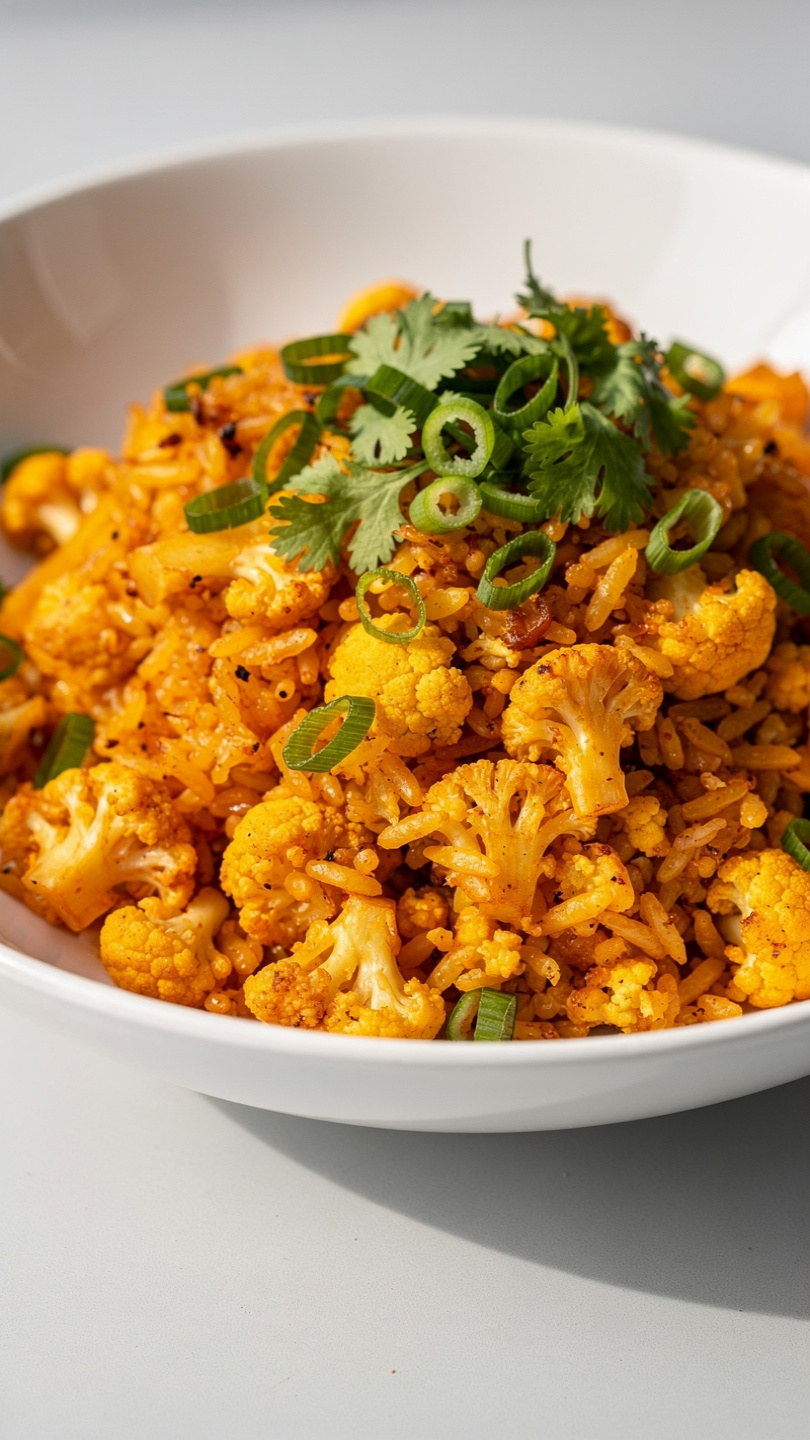
Cauliflower Fried Rice (Vegan, Easy, and Better Than Takeout)
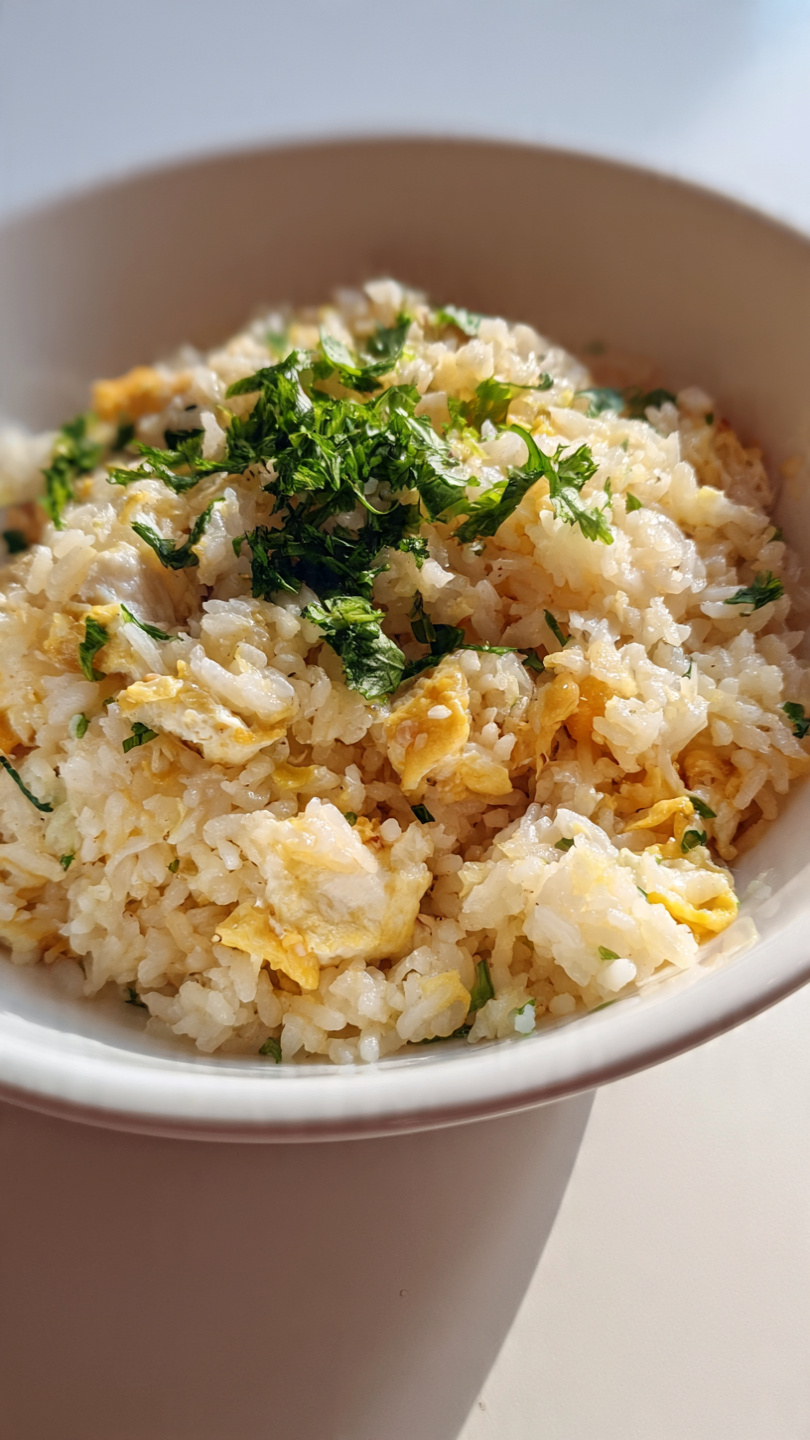
This vegan cauliflower fried rice is a quick, flavor-packed weeknight dinner loaded with colorful vegetables and savory umami sauce. Ready in under 30 minutes and better than anything from a takeout box.

The Vegan Cauliflower Fried Rice That Converted Me
I did not grow up eating cauliflower anything. For most of my life, cauliflower was the vegetable that sat untouched at the edge of the veggie platter. Then I discovered vegan cauliflower fried rice, and everything changed.
This dish is now one of my most-made easy vegan diet recipes, and for good reason. It hits every note you want from a weeknight dinner: fast, filling, deeply savory, and genuinely satisfying. Unlike a lot of low-carb swaps that leave you missing the original, this one stands entirely on its own. It is a vegan meal with rice and vegetables that tastes like something you would happily order at your favorite Asian-inspired restaurant.
The secret? High heat, dry cauliflower, and a sauce that punches way above its weight.
Why This Works as a Vegan Diet Plan Idea
If you are building out a vegan diet plan, this recipe earns its place at the center. Each serving comes in under 200 calories while delivering real fiber, plant-based protein from the peas and vegetables, and enough flavor to keep you from reaching for something else an hour later.
It is also infinitely adaptable. Whether you are deep into veggie diet recipes, just starting to explore plant-forward eating, or simply trying to use up whatever is in the crisper drawer, this vegan riced cauliflower recipe bends to fit your week.
A few things that make this version especially good:
- Toasted sesame oil for deep, nutty fragrance
- Fresh ginger and garlic cooked in a screaming-hot wok for that authentic stir-fry character
- Hoisin sauce for a sweet, complex depth that soy sauce alone cannot give you
- Pressing the cauliflower dry so it sears instead of steams
That last point is the one most recipes skip, and it is the difference between soggy and spectacular.
The right equipment matters more than people think in a stir-fry. A large wok or wide cast-iron skillet that holds high heat is what gives you those lightly charred, golden bits of cauliflower rice. A food processor makes ricing the cauliflower genuinely effortless.
How to Rice Cauliflower (Without Losing Your Mind)
There are two good ways to rice a head of cauliflower:
- Food processor: Break the cauliflower into florets and pulse in two or three batches until you get coarse, rice-like crumbles. This takes about 30 seconds per batch.
- Box grater: Use the large holes and grate each floret directly. It is a bit messier but works perfectly if you do not own a food processor.
Chef's Tip: Whatever method you use, spread the riced cauliflower onto a clean kitchen towel and press firmly before it goes anywhere near the pan. Cauliflower holds a surprising amount of water, and getting rid of that moisture is the single most important step for achieving a proper stir-fry texture.
Pre-riced cauliflower from the grocery store is a completely valid shortcut. Just give it the same press-and-dry treatment before cooking.
Building the Sauce
The sauce for this Asian-inspired cauliflower fried rice is simple but carefully balanced:
- Soy sauce (or tamari for gluten-free) brings the salt and umami backbone
- Rice vinegar lifts everything with a gentle brightness
- Hoisin sauce adds body, a touch of sweetness, and complexity
Mix it in a small bowl before you start cooking. Stir-frying moves fast, and you do not want to be measuring sauces while garlic is burning in the pan.
Chef's Tip: Taste the sauce before it goes into the wok. If you like things saltier, add a touch more soy sauce. If you want a deeper sweetness, a tiny drizzle of maple syrup works beautifully here and keeps the dish firmly in vegan cauliflower fried rice territory.
The Wok Method: What Restaurants Do That You Should Too
The reason restaurant fried rice tastes different from home fried rice is not a secret ingredient. It is heat. Professional woks reach temperatures that home stovetops can barely approach, creating what Chinese cooks call wok hei, that slightly smoky, charred quality that makes each bite irresistible.
You can get close at home with a few adjustments:
- Use the largest burner you have and crank it to the highest setting
- Do not crowd the pan. If your wok is small, cook in two batches
- Let the cauliflower sit undisturbed for 60 to 90 seconds before tossing. That contact with the hot surface is where the flavor develops
- Move quickly once the sauce goes in. Toss, coat, and pull it off the heat before the cauliflower softens past the point of no return
This approach is what separates a good vegan cauliflower fried rice from a great one.
Ready to bring it all together? Here is the complete recipe:
Cauliflower Fried Rice (Vegan, Easy, and Better Than Takeout)
This vegan cauliflower fried rice is a quick, flavor-packed weeknight dinner loaded with colorful vegetables and savory umami sauce. Ready in under 30 minutes and better than anything from a takeout box.
Ingredients
- 1 cauliflower, large head, cut into florets and riced (or 4 cups pre-riced)
- 2 tbsp sesame oil, toasted
- 4 garlic cloves, minced
- 1 tbsp fresh ginger, freshly grated
- 1 cup frozen peas, no need to thaw
- 2 carrots, medium, peeled and finely diced
- 1/2 cup corn kernels, fresh or frozen
- 3 tbsp low-sodium soy sauce, use tamari for certified gluten-free
- 1 tbsp rice vinegar
- 1 tbsp hoisin sauce, vegan-friendly brand
- 4 green onions, thinly sliced, whites and greens separated
- 1 tbsp white or black sesame seeds, for garnish
- 1 tbsp avocado oil or neutral oil, for the wok or skillet
Instruction
Rice the cauliflower: Working in two batches, pulse the cauliflower florets in a food processor until they resemble coarse rice grains. Do not over-process or it will turn mushy. Alternatively, use the large holes of a box grater. Set aside.
Dry the cauliflower: Spread the riced cauliflower on a clean kitchen towel or paper towels and press firmly to absorb excess moisture. This step is essential for a good sear instead of steam.
Make the sauce: In a small bowl, whisk together the soy sauce, rice vinegar, and hoisin sauce. Set aside.
Heat the wok: Place a large wok or wide skillet over high heat. Add the avocado oil and sesame oil. When the oil shimmers and just begins to smoke, you are ready.
Cook the aromatics: Add the white parts of the green onions, garlic, and grated ginger. Stir-fry for 45 to 60 seconds until deeply fragrant. Do not let the garlic burn.
Add the vegetables: Add the diced carrots and corn kernels. Stir-fry for 2 to 3 minutes until the carrots begin to soften.
Fry the cauliflower rice: Add the riced cauliflower in an even layer. Let it sit undisturbed for 1 to 2 minutes to develop a lightly golden crust, then toss and repeat once more. This builds flavor.
Add peas and sauce: Add the frozen peas and pour the sauce over everything. Toss continuously for 2 to 3 minutes until the sauce is absorbed and the cauliflower rice is tender but not soft.
Finish and garnish: Remove from heat. Fold in the green parts of the green onions. Taste and adjust soy sauce as needed. Plate and top with sesame seeds.
Equipment
- Food processor or box grater
- Large wok or wide skillet (12-inch minimum)
- Kitchen towel or paper towels
- Small mixing bowl
- Whisk
- Wooden spoon or wok spatula
Notes
Serving, Storing, and Making It Your Own
This dish is a complete meal on its own, but it also pairs beautifully alongside:
- Crispy tofu tossed in chili garlic sauce
- Steamed edamame with flaky salt
- A simple cucumber salad with rice vinegar and sesame
For storing, leftovers hold up well in the fridge for four days. The best way to reheat is in a hot dry skillet with a small splash of soy sauce, just two or three minutes until warmed through and slightly crisped again.
If you are cooking for a crowd or planning ahead as part of a vegan diet plan, double the batch. The flavors actually deepen overnight, making next-day leftovers arguably better than the original.
However you serve it, this vegan cauliflower fried rice is the kind of recipe that earns a permanent spot in your weekly rotation. Fast enough for a Tuesday, good enough to share on a Saturday.